The psychology behind risk-taking in gambling behavior
The allure of risk in gambling
The excitement surrounding gambling often stems from the inherent risk involved. For many individuals, the potential for a substantial reward can be highly motivating. This thrill can activate the brain’s reward system, leading to feelings of euphoria and satisfaction. As players place bets, they may experience a rush of adrenaline, which can further enhance their desire to engage in risky behavior. Moreover, players can explore options such as Wildsino casino NZ, which offers a range of experiences tailored to various preferences.
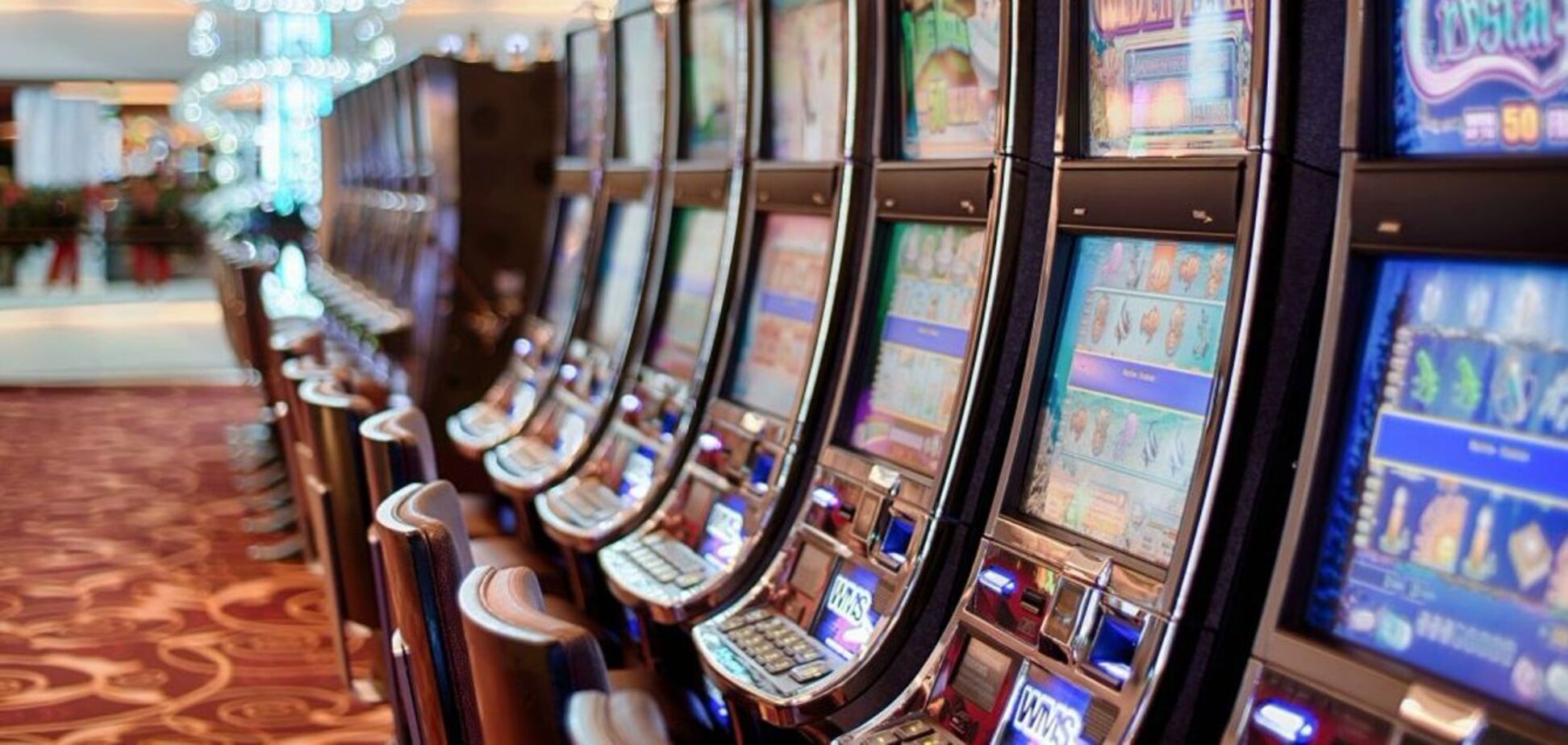
Additionally, the prospect of winning against the odds can create a sense of hope and possibility. Many gamblers are drawn to the idea that a single wager could drastically change their financial situation. This anticipation of reward can become addictive, encouraging individuals to take more risks than they might in other aspects of their lives.
Psychological factors influencing gambling
Several psychological factors play a critical role in shaping gambling behaviors. Cognitive biases, such as the illusion of control, lead many players to believe they have influence over random outcomes. This can result in an overestimation of their ability to win, driving them to take risks they might otherwise avoid.
Furthermore, social influences contribute significantly to gambling behaviors. Peer pressure and societal norms can encourage risk-taking, as individuals may feel compelled to join friends or family in betting activities. This social aspect can further amplify the excitement, leading to increased participation in high-stakes gambling.
The role of emotions in gambling decisions
Emotions significantly impact risk-taking in gambling. Many players engage in gambling as a means of escaping stress or negative emotions. This can lead to impulsive decisions, where individuals gamble not solely for the potential rewards but also to cope with their emotional states.
Conversely, positive emotions can also drive risk-taking behavior. A winning streak can foster confidence and a sense of invincibility, compelling players to gamble more recklessly. This emotional rollercoaster can create a cycle of highs and lows, further entrenching individuals in their gambling habits.
The impact of behavioral economics
Behavioral economics offers insights into how individuals make decisions when faced with risk. Many gamblers fall prey to common biases, such as loss aversion, which can lead to continued betting even after incurring significant losses. The desire to recoup losses can push players to take greater risks, often resulting in further financial distress.
Additionally, the framing of bets can influence decisions. Gamblers may perceive the same risk differently based on how the information is presented. For instance, emphasizing potential gains rather than losses can skew perceptions, making riskier bets appear more attractive than they may truly be.

Discover the thrill at Wildsino
Wildsino provides a unique platform for both casual and serious gamblers. With over 3,000 games from renowned providers, it offers various options for players looking to explore their risk-taking tendencies in a safe environment. The platform’s commitment to user experience is evident in its seamless interface, fast payment methods, and round-the-clock customer support.
Whether you’re interested in classic casino games or sports betting, Wildsino caters to all preferences. New players can also take advantage of exciting welcome bonuses, ensuring that the thrill of gambling is easily accessible. Join Wildsino today and immerse yourself in a world of risk, reward, and endless entertainment.